
Septic Tank Pumping
Septic Tank Pumping in Terre Haute, IN and the Wabash Valley
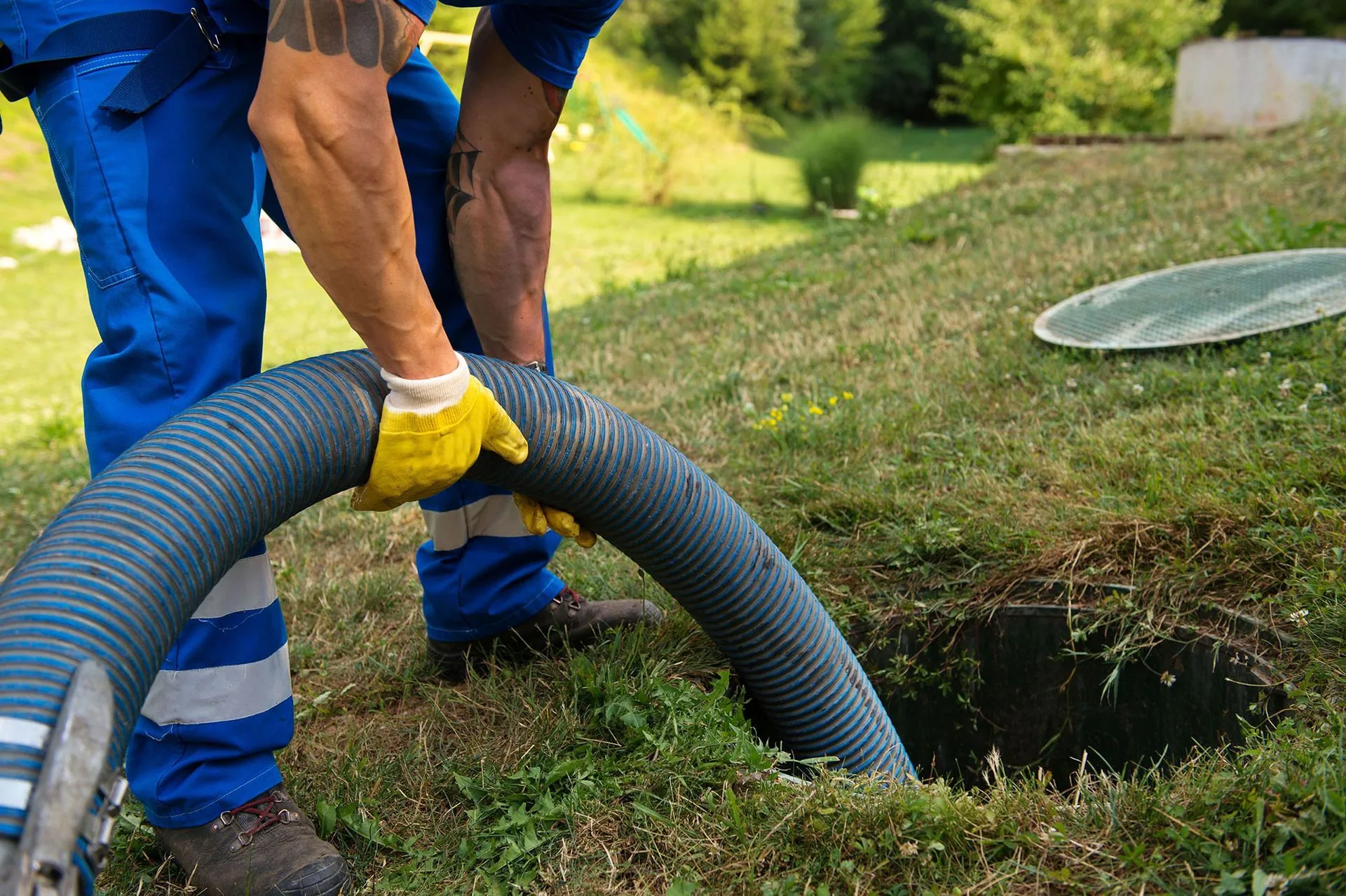
Septic tank pumping removes the sludge and scum that build up in every tank, so solids never reach the drainfield. Call (812) 564-0540 to schedule a visit from our Shelburn crew.
IDEM Septic Permit #1209
Signs Your Tank Is Due for Septic Tank Pumping
Wabash Valley Septic and Drain handles septic tank pumping in Terre Haute, IN and across the towns around it, for homes and businesses on their own septic systems. Pumping is part of our full range of septic system services, and it is the job that prevents most of the others.
A tank that is overdue rarely fails all at once. It usually sends several small warnings first, and recognizing them early keeps the problem inexpensive to resolve.
- Drains that slow down in more than one fixture at a time
- Gurgling in the pipes after a toilet flushes or the washer drains
- A sewage smell near the tank lids or the drainfield
- Grass over the drainfield that is greener or wetter than the rest of the yard
- No record of a pumping in the last several years
What to Expect
Our Septic Pumping Process, Start to Finish
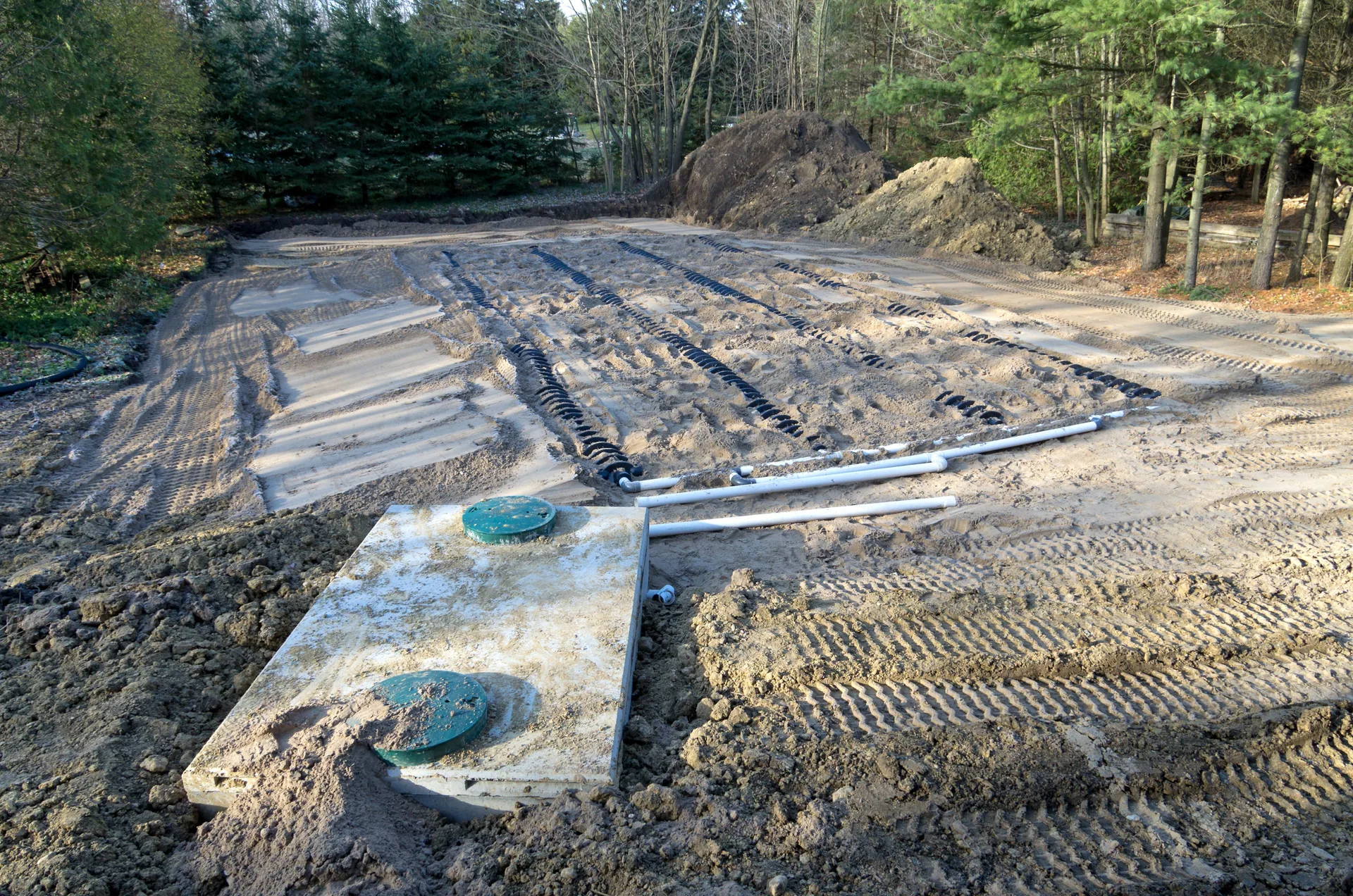
Septic pumping in Terre Haute and the surrounding towns follows the same careful routine every time. The goal is an empty tank, a clean yard and a clear idea of when the next visit should be.
-
Step 1
Find the Tank Lids
We locate the tank and uncover the lids. If you know where they are, or have an old drawing of the system, it saves time.
-
Step 2
Check the Levels
Before pumping, we look at the liquid level and the layers inside. A level above the outlet can point to a problem past the tank.
-
Step 3
Pump the Tank Empty
Our truck draws out the liquid, the floating scum and the settled sludge, breaking up the heavy layer so the tank is truly emptied.
-
Step 4
Look Over the Baffles
With the tank empty, we check the inlet and outlet baffles and the visible fittings, and tell you about anything worn or broken.
What Happens Inside a Septic Tank
Every septic tank separates wastewater into three layers. Grease and light solids float to the top as scum, heavy solids sink to the bottom as sludge, and the clearer liquid in the middle flows out to the drainfield. Bacteria break some of the solids down, but never all of them.
That is why the sludge layer keeps growing. The U.S. Environmental Protection Agency advises pumping when the sludge reaches within 12 inches of the outlet, or when sludge and scum make up more than a quarter of the tank's depth. Past that point, solids start to wash out with the liquid.
Once solids reach the drainfield, they clog the gravel and the soil that are supposed to absorb the water. The ground over the field turns soggy, drains slow down inside the house, and the system can eventually back up. A drainfield damaged that way can be expensive to bring back, while a routine pumping costs a small fraction of that repair.
How Often to Pump a Septic Tank
The EPA says household septic tanks are typically pumped every three to five years. That range is a starting point, and the real answer to how often to pump septic tank systems like yours depends on your own tank and the household that uses it.
Four things set the schedule: the size of the tank, the number of people living in the home, how much water the household uses and how many solids go down the drains. A large family with a garbage disposal and a small tank may need pumping every couple of years, while a retired couple with a large tank may go longer between visits.
Guessing in either direction costs money. Pumping too often pays for visits the tank did not need, and waiting too long risks solids reaching the drainfield. After the first septic tank pumping in Terre Haute, IN or nearby, we suggest a schedule based on the sludge and scum we measured. Many owners pair that schedule with routine septic maintenance so small problems are caught between pumpings.
Septic Tank Cleaning Versus Additives
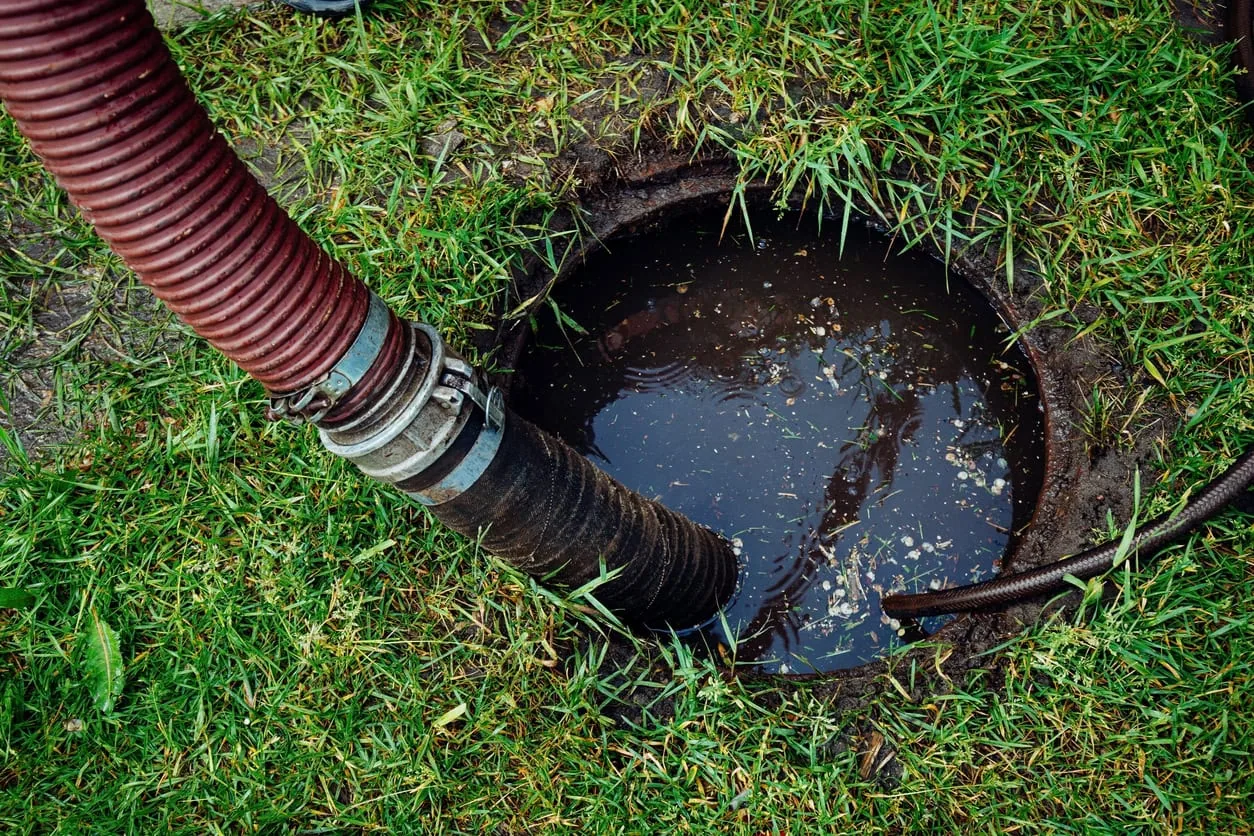
Septic tank cleaning means physically removing the sludge and scum with a pump truck. Some products sold in stores claim to clean a tank or replace pumping by adding bacteria or enzymes. No additive takes the place of having the solids pumped out.
A healthy tank already has the bacteria it needs, as long as harsh chemicals, wipes and grease stay out of it. Pouring in products does not remove the sludge layer, which keeps building until a truck hauls it away.
The best thing you can do for a tank between visits is simple. Spread out laundry loads, fix running toilets quickly and flush only toilet paper and human waste. Those habits slow the buildup and keep each pumping routine.
What Affects Septic Pumping Cost
Septic pumping cost depends on the job in front of us, so we quote it once we know the details, and the estimate is free. The size of the tank matters most, since a larger tank holds more waste to remove and haul.
Access is next. Lids buried under a foot of soil, a tank behind a fence or a long distance from the driveway all add time. A tank with two compartments, or a system with a separate pump chamber, takes more work than a single tank.
Last, an overdue tank with a thick, hardened sludge layer takes longer to break up and empty. Pumping on schedule keeps every visit simpler, and financing is available if a pumping turns into a larger repair. We explain the price of your septic tank pumping in Terre Haute, IN before the hose goes in the tank. Military members with a valid ID get 10% off septic tank pumping.
25Years of experience
Why Choose Us
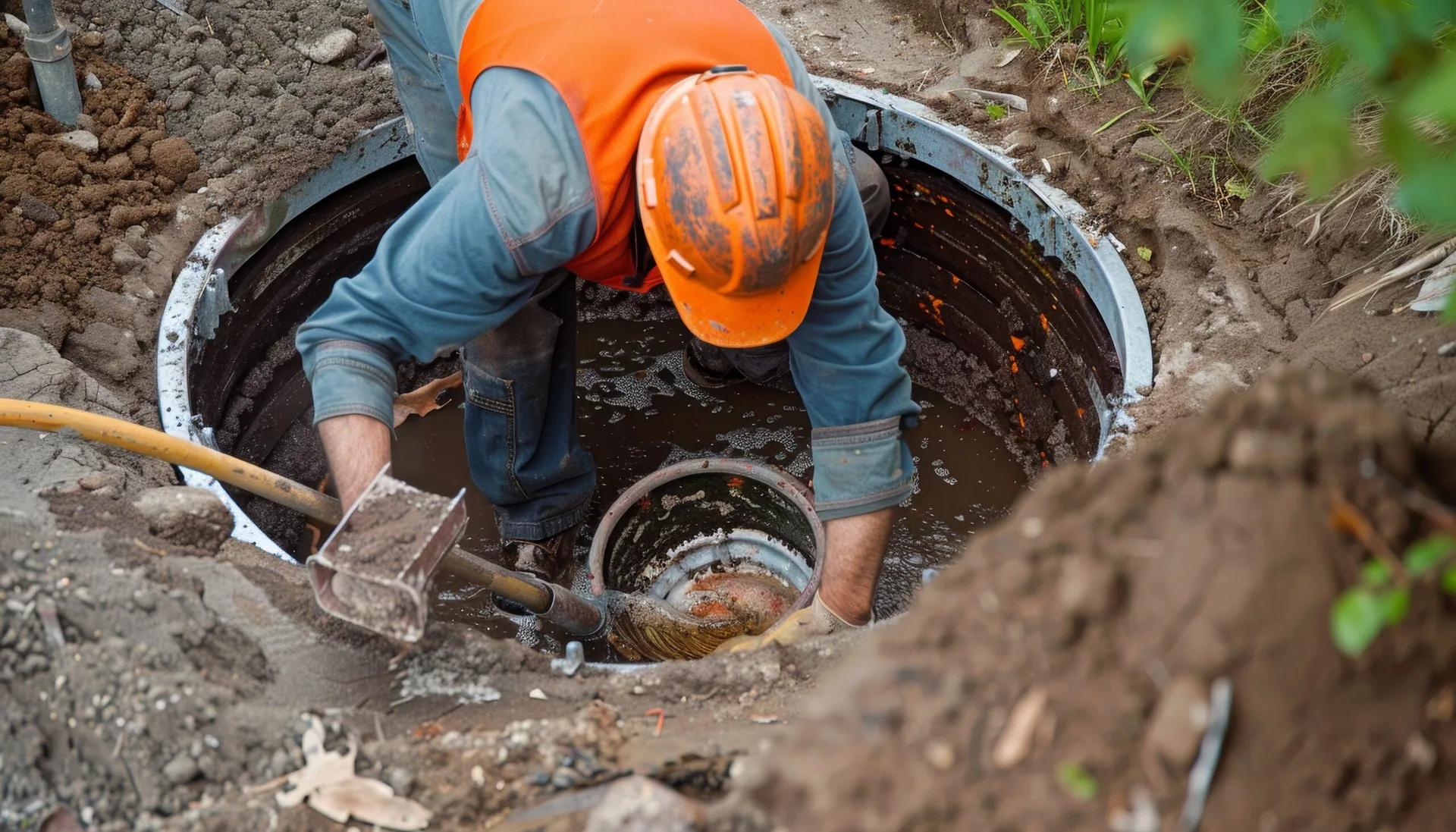
A Septic Pumping Crew With 25 Years of Experience
Wabash Valley Septic and Drain has 25 years of experience pumping and servicing septic tanks in west central Indiana. We hold IDEM Septic Permit #1209, and our crew keeps current with yearly IOWPA training.
We tell you what we see in your tank, good or bad, and we never push work your system does not need. If a pumping shows a cracked baffle or a backed up line, we explain it and let you decide what to do next. When you choose us for septic tank pumping in Terre Haute, IN, you get a crew that also repairs and maintains septic systems, so one call covers whatever the tank reveals. Families who want a simple routine can read about our residential septic service for homeowners.
OfficeMon to Fri, 8:00 AM to 4:00 PM
EmergenciesAny hour, 24/7
Septic Tank Pumping in Terre Haute, IN and Nearby Towns
Our trucks run from Shelburn to pumping jobs across the region. We pump tanks for homes in Sullivan, for farmhouses outside Brazil, for properties near Clinton and for our neighbors close to home in Shelburn.
Many rural homes in these counties sit well away from city sewer lines, so a septic tank is the only option. Keeping it pumped on time is the easiest way to protect the system for decades.
Whether your property is on a busy stretch of U.S. 41 or down a gravel county road, septic tank pumping in Terre Haute, IN and the towns around it starts with the same phone call. Tell us where the tank is and when it was last pumped, and we will plan the visit.
Septic Tank Pumping Questions
How long does a septic tank pumping take?
Most residential pumpings are finished in a single visit once the lids are uncovered. Finding and digging up buried lids can add time, as can a tank with two compartments or a very thick sludge layer. Knowing where your lids are, or keeping a record from the last visit, is the easiest way to keep the appointment short and the cost down.
Do I need to be home while the tank is pumped?
You do not have to be home, as long as we can reach the tank and know where it is. Many owners like to be there the first time so they can see the tank and ask questions. Leave gates unlocked, keep pets inside and tell us about anything in the yard to avoid, like a sprinkler line.
Should I use less water after the tank is pumped?
Normal water use is fine right after a pumping. The tank refills with wastewater over the next several days, and the system goes back to working the way it should. It is still smart to spread out laundry and avoid long showers back to back, since heavy bursts of water push extra load toward the drainfield at any time.
Can a septic tank be pumped in winter?
Yes, septic tanks can be pumped in winter as long as we can reach the lids. Deep frost or heavy snow can make digging harder, so the job may take longer. If you know your tank is nearly due, scheduling in the fall avoids a frozen yard and keeps the system ready for a winter with a full house.
Book Your Pumping
Keep Your Drainfield Safe With an On Time Pumping
A septic tank pumping today protects the drainfield you rely on for years to come. Call (812) 564-0540, Monday to Friday, 8:00 AM to 4:00 PM, and we will find a time that works for you.